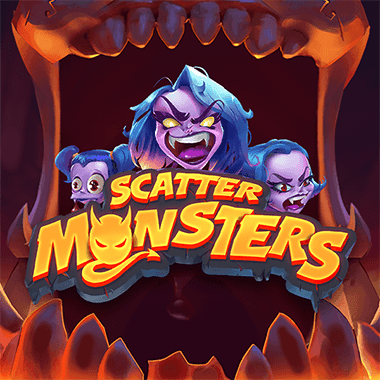
Scatter Monsters
Quickspin's venture into Scatter Monsters presents a deliberately dark premise that blends visual storytelling with mechanical depth. The game asks a deceptively simple question about perspective: whether extraordinary experiences justify inherent chaos.

The numbers
RTP
96.08%
Volatility
Medium (3/5)
Max win
1,493x
Layout
6 reels
Bet range
0.2 – 100
Figures as published by Quickspin, founded 2011, Stockholm, Sweden. Operators may run a different RTP configuration — check in the game before you play.
About Scatter Monsters
Quickspin's venture into Scatter Monsters presents a deliberately dark premise that blends visual storytelling with mechanical depth. The game asks a deceptively simple question about perspective: whether extraordinary experiences justify inherent chaos. Consider a major music festival with legendary performances set against logistical nightmares, and you grasp the intended tension within this six-reel release. The developers have embraced a hellish aesthetic, positioning the entire experience as a celebration in the underworld itself. Character symbols take the form of culture-enthusiasts preparing for a multi-day gathering known as Scatterbury, represented through three creature varieties: blue vampires, green zombies, and crimson demons. The audio reinforces this atmosphere through heavy, grinding instrumentation reminiscent of classic heavy metal, punctuated by energetic sound effects that signal winning moments.
Gameplay and Layout
The mechanics rely on a six-by-six grid that operates under scatter pays principles. Winning combinations form whenever at least eight identical symbols appear anywhere on the display simultaneously, regardless of positioning. Once a cluster forms, those symbols vanish and trigger a cascading process in which remaining symbols shift downward to fill vacancies. This tumbling sequence continues generating opportunities until no additional scatter combinations emerge. The symbol hierarchy encompasses three tiers within each color family: lower-value incarnations titled impish, hatchling, or puny; mid-range standard versions; and premium high-value variants labeled large, huge, or grand. Wild symbols can substitute for any regular paying symbol, expanding potential combinations. The bet structure accommodates various preferences, ranging from 20p or cents up to one hundred dollars or euros per spin.
Mathematical Structure and Volatility
The mathematical model operates at medium intensity, calibrated at the third notch on a five-point volatility scale. Quickspin implemented three distinct return-to-player configurations, with the highest setting reaching 96.08 percent. This percentage represents the average payout ratio across theoretical extended play. Scatter payouts demonstrate considerable variance: eight to nine matching symbols pay 0.2 to 1.5 times the bet, while more substantial clusters spanning twenty-six to thirty-six symbols deliver rewards from 0.75 times up to ten times the bet. The maximum theoretical win potential reaches 1,493 times the initial stake, influencing the overall reward structure and expectations. These mechanics suggest a deliberately moderate approach to volatility, positioned between extremes while avoiding dramatic swings.
Soul Meter Mechanics and Feature Generation
The feature system revolves around three independent soul meters, each tied to a creature color and activated by successful scatter wins. Vampire-colored scatters populate the blue meter requiring twenty total creatures to reach capacity. Completion triggers a symbol upgrade that elevates all lower-tier symbols to mid-tier equivalents across all colors, or advances mid-tier symbols to premium versions if no lower representations remain. The zombie-associated green meter operates on a forty-creature threshold. Upon reaching capacity, it activates a color removal modifier that strips all symbols of a randomly selected color and channels them into that color's meter, creating cascading effects. The demon-linked red meter demands sixty accumulated souls, rewarding eight free spins plus one additional spin for each collection of twenty-five excess souls. Both vampire and zombie meters can accumulate beyond capacity limits, meaning features can activate multiple times from a single spin.
Bonus Spin Features and Multiplier Generation
During free spins, accumulating demon souls continues; reaching sixty additional souls grants an extra spin plus additional spins for subsequent sixty-soul increments. Meters reset between individual base spins but maintain totals throughout the bonus sequence. At the conclusion of each free spin, remaining souls transform into a win multiplier applied to that spin's result. Multiplier values follow a graduated scale: zero to fifteen souls generate one-times, sixteen to thirty yield three times, thirty-one to fifty produce five times, fifty-one to seventy create seven times, seventy-one to one hundred deliver ten times, and one hundred-plus souls achieve twenty times. This conversion mechanism adds strategic depth, as accumulated meter progress influences subsequent payouts through multiplier application.
Session Experience and Practical Performance
Initial exposure revealed a somewhat tightly wound base game experience. Scatter combinations emerged infrequently, meter fills did not occur with obvious regularity, and overall pacing felt like progress was stalling. This shifted considerably once the initial bonus trigger occurred, rebalancing rewards closer to baseline expectations. The free spins period demonstrated markedly greater event frequency compared to base engagement. While resetting meters between standard spins initially appeared limiting, increased hit frequency during bonus rounds compensated through more regular meter accumulations and meaningful multipliers from leftover souls. Winning events remained measured in scale rather than spectacular, reflecting the mathematical structure that limits extreme potential. Accumulating truly monumental payouts appears unlikely given the constrained maximum ceiling.
Final Assessment
Scatter Monsters represents an intriguing exploration of thematic and mechanical consistency. The heavy metal aesthetic combined with the underground festival narrative creates a cohesive package distinct from standard offerings. However, the game operates within fundamental tension between ambitious presentation and moderate performance potential. The volatility accurately reflects gameplay avoiding extremes while delivering neither exceptional rewards nor dramatic disappointment. The scatter pays mechanic combined with multi-layered soul meters provides engagement beyond symbol matching, though complexity does not translate to outsized earning potential. Success likely depends on whether audiences respond to distinctive artistic direction and atmospheric presentation enough to sustain engagement through measured progression rather than breakthrough moments. Scatter Monsters functions as a solid mid-range contribution to the scatter pays category, with gameplay that builds gradually rather than explosively.
Scatter Monsters — common questions
What is the RTP of Scatter Monsters?
Scatter Monsters has a return to player of 96.08%, as published by Quickspin. RTP is a long-run average across millions of spins, not a guide to any single session.
Is Scatter Monsters high volatility?
Scatter Monsters is a medium (3/5) volatility slot. Wins land more regularly for smaller amounts, so the balance moves more gently than on a high-volatility game.
What is the maximum win on Scatter Monsters?
The maximum win is 1,493x your stake. Reaching it is rare by design — treat it as the ceiling of the maths, not an expectation.
Can I track Scatter Monsters in a bonus hunt?
Yes. Scatter Monsters is in the CasinoHub slot database, so it can be added to a hunt by name, and the tracker carries its figures into your break-even and required-multiplier maths automatically.