Artemis vs Medusa
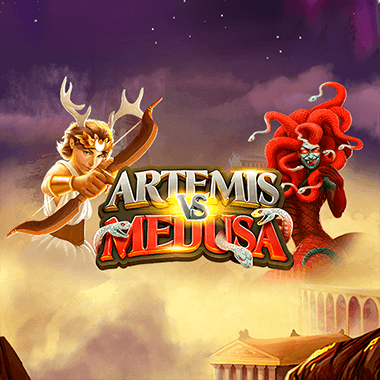
Quickspin presents Artemis vs Medusa, a game built around the collision between two iconic figures from ancient Greek lore. Rather than treating the mythological framework as decoration, the…

The numbers
RTP
96.17%
Volatility
High (4.4/5)
Max win
5,286x
Layout
5 reels
Paylines
1024
Bet range
0.2 – 100
Figures as published by Quickspin, founded 2011, Stockholm, Sweden. Operators may run a different RTP configuration — check in the game before you play.
About Artemis vs Medusa
Quickspin presents Artemis vs Medusa, a game built around the collision between two iconic figures from ancient Greek lore. Rather than treating the mythological framework as decoration, the developer weaves the narrative conflict directly into the mechanical structure. Artemis, the goddess of the hunt, arrives with her bow and arrows ready, while Medusa, the legendary gorgon whose gaze turns mortals to stone, commands supernatural creatures. This opposition shapes everything from visual presentation to how bonus features deliver rewards. The setting positions players as witnesses to an ongoing supernatural battle where each spin determines whether the huntress advances or the monsters close in.
Visual Presentation and Atmosphere
The graphical execution reflects considerable effort from Quickspin's design team. The 1,024 ways to win occupy a richly detailed landscape featuring towering stone sentinels and mountainous terrain shrouded in mist. Rather than drowning the scene in dark, oppressive tones, the artists employed yellow-hued lighting that keeps the overall mood from becoming claustrophobic. This aesthetic approach produces an experience comparable to other mythologically-themed slots Quickspin has developed, though the color palette prevents it from veering into unrelenting darkness. The audio design complements the visuals through orchestral instrumentation that reinforces the epic scope of conflict without dominating extended play. Sound effects punctuate significant events like monster appearances and collector symbols, helping players maintain focus during base-game and bonus sequences.
Game Structure and Paytable Composition
The core grid displays five reels operating across 1,024 different ways to form winning combinations. Wagering flexibility ranges from 0.20 to 100 per spin, accommodating cautious players and aggressive high-staking seekers. The paytable consists of eleven distinct symbols distributed across three tiers. At the foundation sit six gem-like stones in varying colors, presenting one to two times stake for five matches. The secondary tier encompasses four supernatural adversaries: harpies and gryphons deliver modest returns, minotaurs improve upon those values, and Medusa occupies the pinnacle of this band. Artemis reigns as the singular high-value icon, commanding 25 times stake for complete reels. A wild symbol styled as golden antlers furnishes substitution power, stepping in for regular pay symbols to complete formations and increasing winning frequency.
Monster Bounty Mechanics and Coin Collection
Base-game action incorporates a secondary reward system through the Monster Bounty Coin mechanic. Whenever mid-tier creature symbols land during ordinary spins, these coins occasionally appear attached to those symbols. An Artemis symbol with a golden frame must appear in the final reel position to trigger collection. When this collector icon arrives, any bounty coins currently visible get harvested immediately. The payout depends on two variables: the monster type bearing the coin and cumulative coins gathered across reels. Harpy coins contribute 2x the current wager, gryphons add 4x, minotaurs provide 8x, and Medusa bounties deliver 15x the player's bet. This system creates recognizable reward moments during regular spins where players watch for high-value creatures landing with coins, anticipating the collector symbol that transforms dormant coins into immediate payouts.
Unlimited Battle Free Spins and Extended Play
The defining feature activates when three scatter symbols land anywhere, triggering Unlimited Battle Free Spins. The visual presentation shifts to an overhead perspective of a celestial battlefield. Artemis positions herself armed for combat, while monsters assemble opposite her. A meter between them quantifies the monster collective. As creature symbols land during bonus rounds, the corresponding monster type advances along this meter, moving the horde closer to Artemis. Multiple creature types accumulate simultaneously, so diverse symbols push the meter forward multiple spaces. Exceeding 15 bars triggers automatic termination. Artemis possesses a counter-offensive mechanism: each time her symbol lands during free spins, the lowest-value monster category gets removed from the meter entirely. Removing creatures generates immediate payouts calculated through the Monster Bounty table. The feature continues until either Artemis eliminates every monster category or accumulated pressure exceeds 15 bars. This structure permits extended sequences when spins distribute symbols in oscillating patterns, creating gameplay passages with multiple opportunities for substantial cumulative wins.
Mathematical Configuration and Volatility Profile
Artemis vs Medusa carries a theoretical return rate of 96.17 percent, positioning it within standard parameters for current Quickspin releases. The volatility rating reaches 4.4 out of 5, classifying the game into the upper-volatility category. This mathematical pairing means winning symbols appear less frequently compared to medium-volatility alternatives, with wins clustering in less predictable patterns. When winning outcomes materialize, potential payouts scale higher to justify extended waiting periods. During comprehensive testing spanning billions of spins, the game recorded maximum wins reaching 5,286 times the original stake. This upper boundary emerged from enormous sample sizes, signaling that regular gameplay encounters much lower ceiling values. The structure reflects industry-wide tendencies as developers gradually shift theoretical returns downward across portfolios.
Gameplay Experience and Design Philosophy
Artemis vs Medusa represents a polarizing design that appeals strongly to specific player segments while frustrating others. For audiences drawn to extended bonus rounds and spectacular gameplay, the combat-centered design delivers exactly what they seek. Feature trigger frequency and near-miss moments keep momentum flowing without lengthy unrewarding streaks. The mythological narrative reinforces emotional resonance of significant moments. When Artemis symbols land and monster hordes advance or retreat, the theme provides meaningful context to mechanical outcomes. Conversely, players preferring simpler gameplay may find the battle system cumbersome. The meter and removal mechanism requires active attention. Bonus rounds extending through multiple swings feel prolonged to those seeking quick outcomes. High volatility means session results swing dramatically, requiring consistent bankroll discipline. Ultimately, Artemis vs Medusa occupies a specific niche, rewarding players who appreciate mechanical depth and extended features. Those seeking straightforward mechanics will discover the battle-oriented gameplay works against their preferences. The game suits dedicated sessions with proper bankroll management.
Artemis vs Medusa — common questions
What is the RTP of Artemis vs Medusa?
Artemis vs Medusa has a return to player of 96.17%, as published by Quickspin. RTP is a long-run average across millions of spins, not a guide to any single session.
Is Artemis vs Medusa high volatility?
Artemis vs Medusa is a high (4.4/5) volatility slot. Wins land less often but pay more when they do, which is what makes it a common bonus hunt pick — and what makes the swings wide.
What is the maximum win on Artemis vs Medusa?
The maximum win is 5,286x your stake. Reaching it is rare by design — treat it as the ceiling of the maths, not an expectation.
Can I track Artemis vs Medusa in a bonus hunt?
Yes. Artemis vs Medusa is in the CasinoHub slot database, so it can be added to a hunt by name, and the tracker carries its figures into your break-even and required-multiplier maths automatically.