Toxic Waste
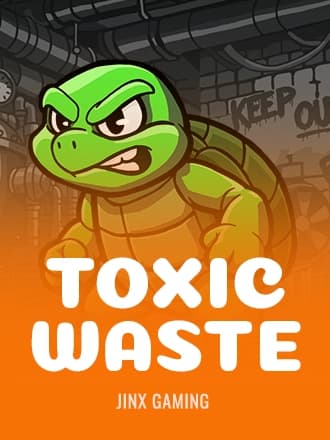
Jinx Gaming has engineered a departure from the familiar five-reel format with Toxic Waste, bringing an eight-by-eight grid structure built on cluster-based wins rather than fixed payline mechanics.

The numbers
RTP
96.34%
Volatility
High (4/5)
Max win
10,000x
Layout
8 reels
Bet range
0.1 – 100
Other RTP configurations exist for this game: 94.22%. Casinos choose which to run.
Figures as published by Hacksaw Gaming, founded 2018, Malta. Operators may run a different RTP configuration — check in the game before you play.
About Toxic Waste
Jinx Gaming has engineered a departure from the familiar five-reel format with Toxic Waste, bringing an eight-by-eight grid structure built on cluster-based wins rather than fixed payline mechanics. The expanded playfield immediately establishes a distinct gameplay rhythm, as symbol cascades and dynamic multiplier zones work together to create the possibility of outsized results emerging from relatively modest initial wins. This represents a bold architectural choice that moves the studio away from conventional templates, though the underlying systems themselves draw from established cluster-pays design vocabulary that has emerged across the industry in recent years. The sheer scale of the grid gives every spin a different energy compared to more traditional games, with more symbols visible on screen at any single moment and greater opportunity for complex winning sequences to unfold across multiple cascades.
Gameplay and Layout
Instead of anchoring multipliers to individual symbols, the game distributes them throughout the grid as standalone tiles that can be activated through play. When chemical contamination spreads across the playing surface, it generates positions where multiplier values can take hold and build. Winning clusters that land on these contaminated zones trigger the multiplier effect, transforming static positions into powerful modifiers. As spills occur repeatedly during a session, those same positions gradually intensify from lower values up toward massive multipliers in the thousands, creating an escalation dynamic where the board becomes increasingly volatile as play continues. A secondary mechanic involves symbols that occupy a two-by-two footprint on the grid, functioning simultaneously as four separate symbols while also spawning stronger contamination effects around themselves. This creates cascades where each winning sequence substantially reshapes the available tile positions for the next round of drops, making subsequent wins dependent on the outcome of previous ones in ways that feel interconnected and fluid.
Multiplier Mechanics and Bonus Features
Three distinct bonus modes all revolve around the contamination-and-multiplier framework but execute the concept with different emphasis and activation patterns. The Biohazard variant ensures fresh chemical spills appear with every spin during the feature, accelerating the rate at which multiplier values climb toward their maximum potential. This creates a faster-moving experience where players see frequent tile upgrades and escalating modifiers in rapid succession. The Radioactive variant emphasizes maintaining multiplier positions that persist across multiple cascades following an initial respin sequence, allowing players to build a stable platform of ongoing modifiers before cascades begin. The Contamination variant initializes the bonus round with the entire grid already seeded with x2 multiplier zones from the start, giving players an immediate advantage and head start that distinguishes it structurally from the other modes. While none of these features fundamentally alter the core interaction loop of waiting for contamination to spread and multipliers to strengthen, each adjusts the pacing and buildup sufficiently that they feel like distinct experiences rather than minor variations on a single template. Players seeking direct entry into bonus rounds without waiting for natural triggering during base game play can purchase access to each mode independently, providing flexibility in how they approach the game.
Visual Design and Thematic Elements
The visual package embraces the laboratory-and-mutation concept, surrounding players with imagery of chemical installations, luminescent compounds, and experimental subjects bathed in radioactive light. Bright fluorescent tones and oversized symbol graphics align naturally with the fast-paced arcade sensibility of the gameplay mechanics, creating visual coherence between presentation and interaction. The post-apocalyptic science setting has become increasingly prevalent in modern slot releases, so the visual identity leans heavily on theme familiarity rather than groundbreaking artistic innovation. The substantive differentiator emerges from the multiplier architecture itself rather than the aesthetic presentation alone, as the evolved tile system gives the game a behavioral signature that extends beyond its sci-fi wrapping. Players who have seen many contemporary releases will recognize the thematic elements, but the mechanical implementation provides enough novelty to maintain engagement.
Technical Specifications and Payout Structure
From a technical standpoint, Toxic Waste occupies competitive ground within the modern grid-based slot marketplace. The RTP structure offers both 96.34% and 94.22% configurations, catering to different operator preferences and player regions while maintaining substantial long-term player value. High volatility placement aligns with the potential for substantial wins and extended variance, reflecting the possibility of major payouts when multiplier zones combine with clustering symbols. The ten-thousand-times maximum payout sits comfortably alongside contemporary grid-based releases, providing enough ceiling to satisfy players seeking significant winning potential. A hit frequency of approximately 35.3% indicates winning clusters arrive with reasonable regularity throughout sessions, preventing excessive stretches without payouts that might discourage continued play. The betting range from 0.10 to 100 per spin accommodates both conservative and aggressive staking approaches, allowing players to calibrate their engagement level to their bankroll and risk tolerance. The title launched in August 2026, entering a marketplace already populated with cluster-pays mechanics and grid expansions, positioning itself as a newer entrant in an established category.
Core Appeal and Long-Term Engagement
Toxic Waste supplies sufficient mechanical novelty to distinguish itself within the cluster-pays space, particularly through its evolving contamination zones that durably influence board states throughout a cascade sequence. The concept demonstrates thoughtful game design that makes each feature interaction feel purposeful rather than arbitrary, with clear cause-and-effect relationships between actions and outcomes. Winning clusters directly cause contamination to spread, which directly causes multiplier growth, creating an intuitive feedback loop that players grasp relatively quickly. Nonetheless, the core appeal flattens somewhat once players have moved beyond their initial sessions and fully internalized the mechanics, since the gameplay primarily centers on watching multiplier accumulations progress across the grid without substantial strategic input required from the player. The title qualifies as a competent release featuring a clever structural twist on established cluster-pays mechanics, though it falls short of achieving the type of design distinction that would position it as a definitive genre leader in an increasingly saturated category. For players new to grid-based slots, Toxic Waste provides an accessible entry point with enough mechanical depth to reward exploration, while veterans may find it a solid option that delivers expected entertainment value without revolutionary innovation.
Toxic Waste — common questions
What is the RTP of Toxic Waste?
Toxic Waste has a return to player of 96.34%, as published by Hacksaw Gaming. Hacksaw Gaming also ships 94.22% versions, and which one you get depends on the casino. RTP is a long-run average across millions of spins, not a guide to any single session.
Is Toxic Waste high volatility?
Toxic Waste is a high (4/5) volatility slot. Wins land less often but pay more when they do, which is what makes it a common bonus hunt pick — and what makes the swings wide.
What is the maximum win on Toxic Waste?
The maximum win is 10,000x your stake. Reaching it is rare by design — treat it as the ceiling of the maths, not an expectation.
Can I track Toxic Waste in a bonus hunt?
Yes. Toxic Waste is in the CasinoHub slot database, so it can be added to a hunt by name, and the tracker carries its figures into your break-even and required-multiplier maths automatically.