Chronicles of Olympus II - Zeus
Alchemy Gaming's original Chronicles of Olympus gained considerable traction in the market, establishing itself as a standout release that resonated with players.

The numbers
RTP
96.08%
Volatility
High
Max win
x5000.00
Layout
5×4
Paylines
1024
Bet range
0.2 – 50
Figures as published by Games Global, founded 2021, Douglas, Isle of Man. Operators may run a different RTP configuration — check in the game before you play.
About Chronicles of Olympus II - Zeus
Alchemy Gaming's original Chronicles of Olympus gained considerable traction in the market, establishing itself as a standout release that resonated with players. That success prompted the developer to create a follow-up maintaining the core foundation while introducing visual refinements and a meaningful new mechanic tailored toward returning players. The overall architecture remains grounded in similar territory, though that similarity is hardly unexpected when examining comparable games in this category. The sequel retains much of what worked while attempting to elevate certain aspects. Let's examine what this rendition of the king of the Greek gods brings to the reels.
Visual Design and Aesthetics
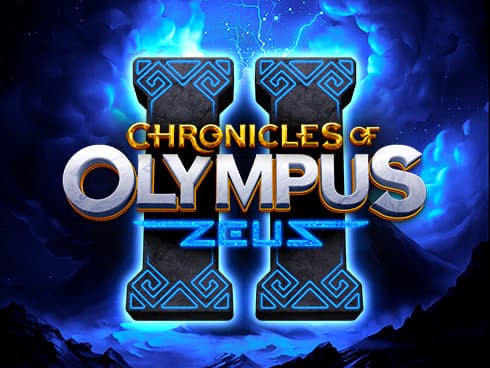
The original game demonstrated solid visual execution, with divine beings rendered in a particularly compelling manner that stood out among comparable releases. The sequel pushes this further, with character symbols commanding even more visual presence and conveying a sense of godly authority. The surrounding landscape presents what most would interpret as mythological Mt Olympus, rendered in a naturalistic style less typical of this theme. Rather than predictable columned temples and classical structures that populate most games in this space, the developer opted for a fresher environmental approach. The Zeus character himself is portrayed with remarkable muscularity.
Gameplay and Layout
The mechanics are built around a five-reel configuration arranged in four rows, utilizing a 1,024 ways to win payout framework. Combinations form when matching symbols land on consecutive reels starting from the leftmost position. Players can adjust their stake to suit their preferences, with options ranging from 0.20 to 50 per spin. Multiple return-to-player configurations are available, with the base setting positioned at 96.08%. At this primary level, the math model exhibits elevated volatility and a hit rate of 24.4%. This volatility level means wins arrive less frequently but with stronger magnitude when they do materialize, creating a particular rhythm of play.
Symbol Hierarchy and Payouts
The paytable divides into two distinct tiers. Playing cards from ten through ace occupy the lower value spectrum. The upper tier comprises five character symbols including Pegasus, a sea deity figure resembling a god of the ocean, two female divine characters, and Zeus as the premium symbol. Landing five of a kind with card ranks delivers between 0.8 and 1.2 times the wager, while mythological figures pay significantly more at 1.6 to 4 times the stake. The wild symbol pays 5 times the bet when landing five across a line. Each wild that substitutes for other symbols carries its own randomly assigned multiplier of either two, three, or five times, amplifying the base win accordingly and adding variability to outcomes.
Progression System and Bonus Architecture
The innovation separating this sequel involves an upgrade system designed specifically for long-term engagement patterns. Two scatter types drive the feature mechanics throughout gameplay. Red scatters generate X UP tokens when two land, and these accumulate to increase multipliers applied to the free spins feature. Blue scatters function differently, designed specifically to permanently upgrade a player's multiplier progression track. When paired, blue scatters elevate one multiplier level on the progression track, working downward from the top position. Once the entire track has been upgraded, blue scatters increase the maximum multiplier to a value of 25 times. Red scatters appear across all reels during normal play but only on reels one and five during free spins. Blue scatters behave conversely, appearing on reels one and five in base play but not during bonus rounds.
Free Spins and Additional Options
Triggering the free spins round requires landing three, four, or five red scatters, which grant eight additional spins at the current multiplier level achieved through progression. Initial spins arrive with immediate payouts of 2, 5, or 100 times the bet depending on the scatter count. Throughout the free spins session, additional red scatter pairs contribute two more spins and award another X UP token. These accumulated tokens reset once the free spins conclude, and gathering new tokens ceases if the multiplier is already at maximum level. The Upsizer function offers players the ability to purchase entry into free spins at elevated multiplier levels, with the cost reduced by any X UP tokens currently held. This gives the progression system tangible application.
Persistent Progression and Trade-offs
The defining addition centers on the permanent nature of multiplier upgrades. When a player lands blue scatters and increases their progression level, this achievement becomes tied to their account permanently. Each time they return and launch the game, their multiplier progression persists, building incrementally across sessions. This system invites extended engagement, rewarding frequent players with tangible mechanical advantages that grow over time. The original game provides an immediate top-level multiplier of 50 times from the first spin, requiring minimal progression commitment. This sequel demands players build their progression gradually, representing a fundamental design distinction between the two titles. The sequel compensates with substantially higher ways to win, offering more frequent winning events and a different gameplay rhythm. However, the maximum win cap has dropped significantly from the original's 50,000 times the stake to this sequel's 5,000 times, a noteworthy reduction.
Final Assessment
When evaluating the complete package, Chronicles of Olympus II - Zeus presents a competent experience maintaining the visual appeal and core mechanics players enjoyed from its predecessor. The persistent progression system shows promise as a long-term engagement tool, though it represents a reconfiguration of existing elements rather than transformative advancement. The expanded way count offsets the reduced maximum potential, creating a different value proposition rather than a clear improvement. The changes introduced feel evolutionary rather than revolutionary, representing a lateral step for original players who may not find compelling reasons to transition. The persistent multiplier concept demonstrates thoughtful design for retention purposes, but substantial mechanical innovation is not among this game's primary strengths. Potential players should evaluate whether the visual presentation and progression mechanics align with their preferences.
Chronicles of Olympus II - Zeus — common questions
What is the RTP of Chronicles of Olympus II - Zeus?
Chronicles of Olympus II - Zeus has a return to player of 96.08%, as published by Games Global. RTP is a long-run average across millions of spins, not a guide to any single session.
Is Chronicles of Olympus II - Zeus high volatility?
Chronicles of Olympus II - Zeus is a high volatility slot. Wins land less often but pay more when they do, which is what makes it a common bonus hunt pick — and what makes the swings wide.
What is the maximum win on Chronicles of Olympus II - Zeus?
The maximum win is x5000.00 your stake. Reaching it is rare by design — treat it as the ceiling of the maths, not an expectation.
Can I track Chronicles of Olympus II - Zeus in a bonus hunt?
Yes. Chronicles of Olympus II - Zeus is in the CasinoHub slot database, so it can be added to a hunt by name, and the tracker carries its figures into your break-even and required-multiplier maths automatically.