Bull in a Rodeo
When Play'n GO set out to capture the spirit of rodeo culture in slot form, they opted for a distinctly cheerful interpretation of the theme rather than lean…

The numbers
RTP
94.2%
Volatility
Medium-High
Max win
x2000.00
Layout
5×3
Paylines
20
Bet range
0.05 – 100
Figures as published by Play'n GO, founded 2005, Sweden. Operators may run a different RTP configuration — check in the game before you play.
About Bull in a Rodeo
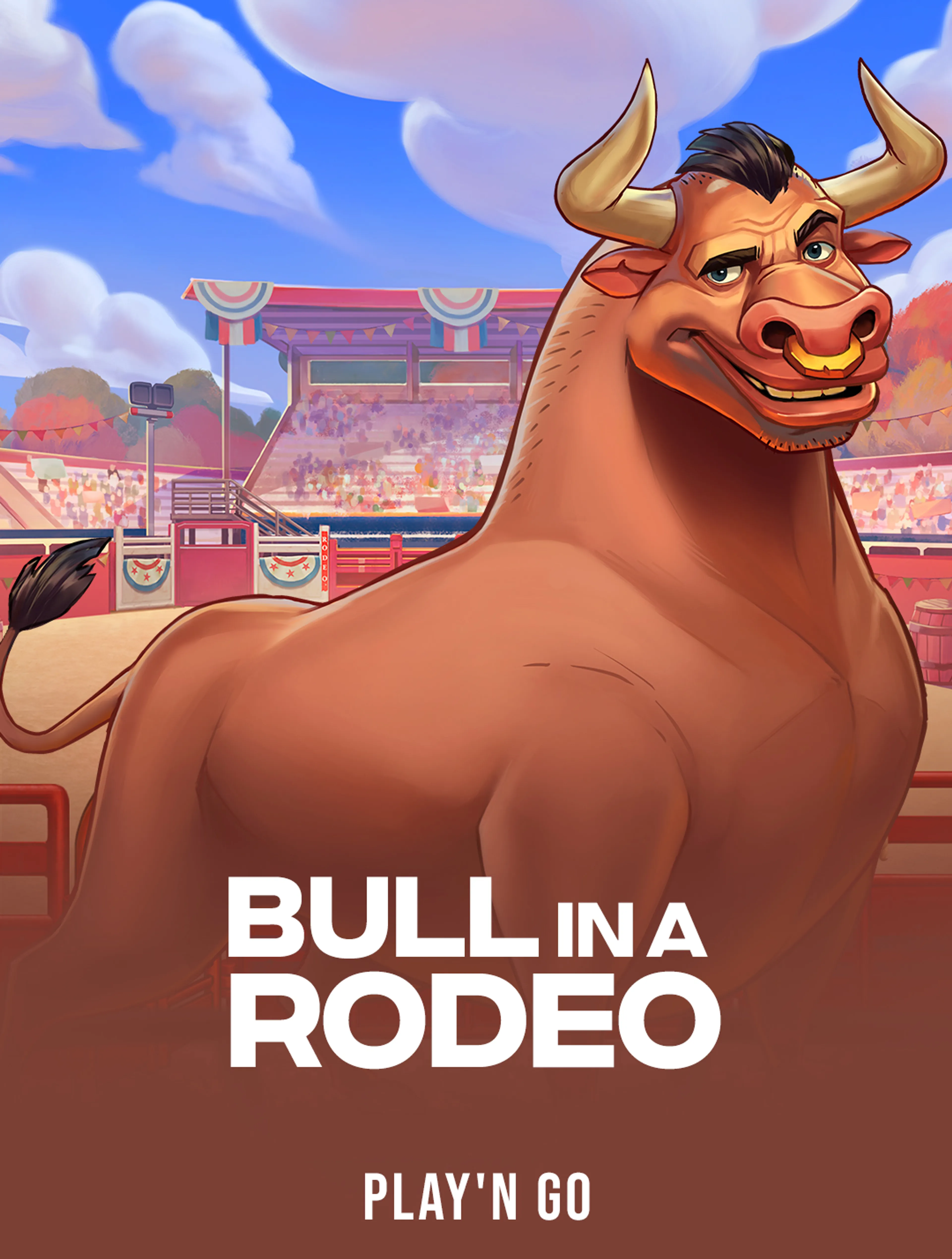
When Play'n GO set out to capture the spirit of rodeo culture in slot form, they opted for a distinctly cheerful interpretation of the theme rather than lean into the grit and tension you might expect from an eight-second ride on a bucking animal. Bull in a Rodeo plants you squarely in the staging area, that holding pen where riders mount before the gate opens and the timer starts counting. The game surrounds this central action with animated crowds in the grandstands, carnival-style gates, padlocked structures, and a parade of stylized bulls both animated within the reels and popping up around them as atmospheric flourishes. It's a carnival atmosphere through and through, light enough that you're here to enjoy yourself rather than feel the genuine peril that defines the real sport. The design sensibility leans far more toward whimsy than the deliberate gravitas you might encounter in other themed slots that try harder to convey danger or authenticity.
The technical foundation beneath all this pageantry is straightforward but functional. You're spinning a five-reel, three-row matrix with twenty paylines running horizontally across the grid from left to right. The game accommodates players across all platforms, whether you're on a phone, tablet, or desktop setup. Wager selection spans from 0.05 up to 100 per spin, giving both cautious and aggressive players options that suit their session goals. The medium-to-high volatility profile means you should prepare for extended stretches without significant payouts, balanced against the possibility of solid hits when the game decides to cooperate. The theoretical return metric sits at 96.21 percent, positioning it squarely in the range where most casual-oriented releases settle. Maximum win potential caps at 2,000 times your stake, which lands comfortably within the middle tier of modern releases rather than reaching toward the astronomical figures some providers advertise.
Symbol Construction and Payoff Tiers
The pay table mirrors standard construction for this type of medium-volatility release. Lower-tier symbols draw from playing card ranks—clubs, diamonds, hearts, and spades—each returning 1 to 1.4 times your wager when five align across a payline. Above that tier sit thematic illustrations: cowboy hats, rodeo boots, bottles of spirits beside their drinking glasses, looking glasses, and a character designed to represent the clown archetype found at actual rodeos, simply labeled as the cowboy in the game's own messaging. Landing a complete line of these mid-tier symbols pays between 4 and 18 times the stake depending on which image completes the combo. The bull symbols themselves function in multiple capacities, and when they appear in their wild incarnations, they can substitute for any regular pay symbol to help complete winning combinations. A line of five wild bulls generates between 40 and 80 times your bet, depending on which version of the bull has created the win.
The Three Wild Mechanics
Bull in a Rodeo keeps feature complexity modest, focusing on three distinct wild-generating mechanisms and one free-spin bonus. The Happy Bull activates a mechanic that scatters random wild placements across the reels during its triggering spin. The Proud Bull has a separate behavior, filling entire reels with stacked wild coverage. The Angry Bull operates according to yet another logic, placing wilds that carry multiplier values when they participate in winning combinations. None of these three are elaborate mechanical designs, but their layered presence means the game has multiple pathways toward building winning lines beyond the standard symbol adjacencies.
Freedom Spins and Retriggering Potential
The bonus round activates when the Bull symbol and the Gate Scatter symbol both appear on the board simultaneously, triggering an allocation of ten free games designated as Freedom Spins. Throughout this bonus round, the Bull symbol continues activating whichever of the three wild mechanics happens to land. Additionally, the game injects three extra Rodeo Bull Wilds into random positions on each spin during this bonus window. There's a retriggering window on the final spin of the bonus round, offering players a path back into the feature. This structure means the bonus can build meaningful equity if the wild mechanics cooperate during that stretch.
Session Pacing and Gameplay Experience
Where Bull in a Rodeo shows its character limitations is in the rhythm of regular play. The base game exhibits a decidedly methodical pace, with long stretches where neither the three bull mechanics nor much of any payline action materializes. Many test sessions unfolded with minimal excitement or volatility movement before the bonus finally triggered. When wilds do appear in the base portion, they tend toward restraint. Proud Bulls often manifest as single stacks rather than the screen-filling coverage their name implies, and Angry Bulls remain infrequent enough that they don't substantially shift session momentum. The entire energy dynamic shifts once you enter the bonus round, where the Bull symbol activates far more regularly, the three wild mechanics fire more consistently, and the injection of the three Rodeo Bull Wilds creates substantially more visible wild activity. You notice the difference immediately when that free-spin mode kicks in. The problem, however, is that even with this heightened volatility and wild presence, the maximum available win of 2,000 times stake represents a ceiling that Play'n GO has capped lower than their usual standards across similar release windows. It's not an unfair cap given the mechanics available, but it does signal where the provider's confidence level sits regarding this particular game's earning potential.
Standout Qualities and Comparative Context
Play'n GO has delivered a slot that functions as intended without pretense, borrowing certain structural ideas from ELK Studios' earlier Wild Toro, though without reaching that earlier game's mechanical innovation or lasting memorability. Both games position the animal as the player's ally rather than antagonist, which represents a progressive thematic choice compared to the controversial bullfighting narrative ELK embedded into their own release. Bull in a Rodeo substitutes that dynamic with the concept of releasing livestock, a fundamentally different philosophical framing. If you found Wild Toro's general approach appealing despite its imperfections, you might locate similar enjoyment in this release. The cartoon sensibility of the bull characters occasionally produces moments that land with humor, but that charm dissipates relatively quickly as you settle into longer sessions. The game essentially relies on the appeal of its animated bulls and the occasional wild feature activation to sustain engagement, making it less mechanically distinctive and memorable than competitors in the medium-volatility space. Players who gravitate toward personality-driven slots with simpler rule sets may find enough here to maintain interest across a session, but those seeking greater mechanical depth, faster pacing, or higher upside will likely find themselves eyeing other options in Play'n GO's catalog or among competing providers who've pushed volatility concepts further.
Bull in a Rodeo — common questions
What is the RTP of Bull in a Rodeo?
Bull in a Rodeo has a return to player of 94.2%, as published by Play'n GO. RTP is a long-run average across millions of spins, not a guide to any single session.
Is Bull in a Rodeo high volatility?
Bull in a Rodeo is a medium-high volatility slot. Wins land less often but pay more when they do, which is what makes it a common bonus hunt pick — and what makes the swings wide.
What is the maximum win on Bull in a Rodeo?
The maximum win is x2000.00 your stake. Reaching it is rare by design — treat it as the ceiling of the maths, not an expectation.
Can I track Bull in a Rodeo in a bonus hunt?
Yes. Bull in a Rodeo is in the CasinoHub slot database, so it can be added to a hunt by name, and the tracker carries its figures into your break-even and required-multiplier maths automatically.